
 (800) 992-6924
Ecommerce Freight Forwarding 101: How Online Brands Move Products


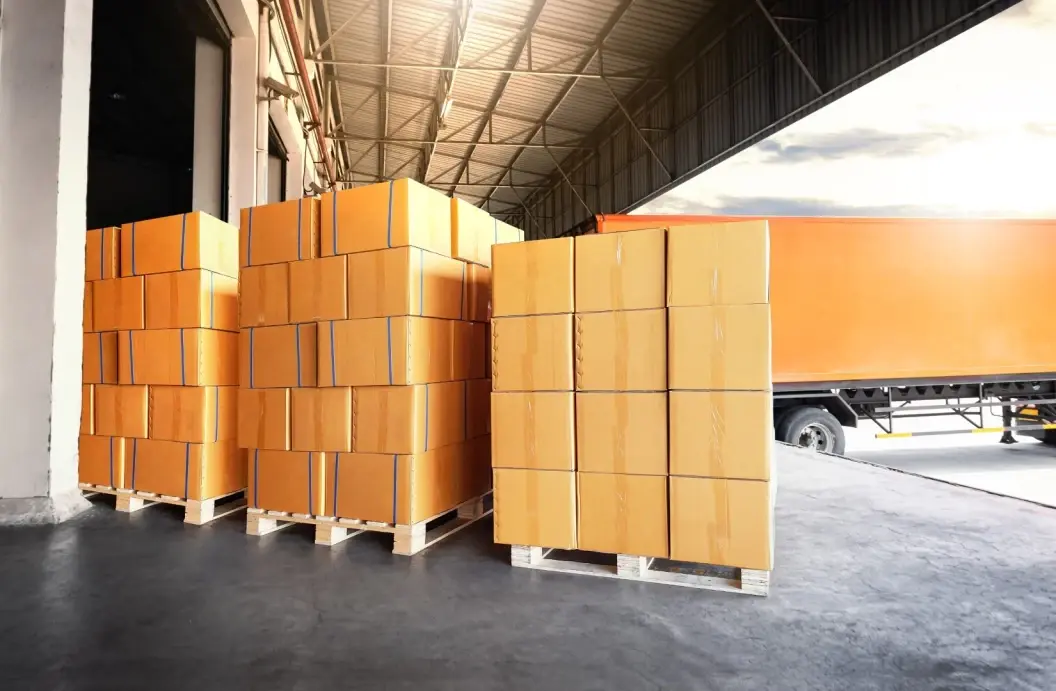
As your online brand grows, shipping starts to look very different. A few parcels a day through UPS, FedEx, or USPS is one thing. Pallets coming in from overseas, bulk orders going out to warehouses, or freight deliveries to retail partners is another.
When you get to this point, Box City’s freight forwarding is the next logical step for your shipping needs.
In this guide, we break down what freight forwarding is, when ecommerce brands need it, how it works, and how Box City’s freight forwarding service fits into the picture..
What Is Ecommerce Freight Forwarding?
Freight Forwarding in Plain English
Freight forwarding is a service that plans and manages the movement of goods for you. With Box City’s freight forwarding service, you work with our team to coordinate carriers, routes, paperwork, and handoffs so your freight moves smoothly from origin to destination.
In most cases, the freight forwarding service you use does not own the planes, ships, or trucks. Instead, Box City coordinates vetted carrier and forwarding partners, plus customs brokers when needed, so you don’t have to manage every moving piece.
How Freight Forwarding Fits into an Ecommerce Supply Chain
For ecommerce, freight forwarding usually shows up in a few critical parts of the supply chain:
- Moving products from overseas manufacturers to your warehouse or 3PL
- Sending containers or pallets from ports into storage or fulfillment centers
- Shipping bulk orders to retail partners, distributors, or subscription box companies
Parcel shipping is fantastic for sending individual orders to customers. Freight forwarding is how you move the big pieces behind the scenes so you actually have products on the shelf and in the warehouse.
When Do Ecommerce Brands Need a Freight Forwarder?
You Have Outgrown Parcel-Only Shipping
At a certain point, the combination of order volume, product size, and shipping costs pushes brands beyond parcel-only shipping.
Signs you are getting there:
- You are shipping full pallets into Amazon FBA or a 3PL
- Your per-unit parcel cost is eating your margins
- Products are physically too large or heavy for standard parcel service in a cost-effective way
Box City’s freight forwarding service helps you transition to LTL, FTL, and container moves with clear options and fewer surprises.
You Are Importing Products from Overseas
If you manufacture in Asia, Europe, or Latin America, a forwarder is almost a requirement.
They help with:
- Booking ocean or air freight
- Handling export and import customs
- Managing duties, tariffs, and HS codes
- Coordinating drayage from port to your warehouse
As a growing brand, partnering with Box City’s freight forwarding service helps you avoid costly delays and keeps international shipments moving with fewer handoffs to manage.
You Are Shipping Pallets to Other Businesses
Once you start working with:
- Retailers
- Distributors
- Corporate clients
- Subscription and wholesale partners
You will often ship full pallets or multiple pallets at once. That moves you into LTL and FTL territory and into the world of freight forwarding.
Key Freight Modes for Ecommerce Brands
Ocean Freight (FCL and LCL)
Ocean freight is usually the backbone of international inventory moves for ecommerce.
- FCL (Full Container Load): You book an entire container. Best for higher volumes, better cost per unit, and fewer handling points.
- LCL (Less Than Container Load): Your goods share space in a container with other shippers. Good for lower volume, but more handling and sometimes longer overall transit time.
Ocean is slower but very cost effective for large shipments.
Air Freight
Air freight trades cost for speed.
Brands use air freight when they:
- Launch a new product and need inventory quickly
- Run low on stock and cannot wait for ocean transit
- Ship high-value, lightweight items
It is more expensive but can prevent stockouts that cost you revenue and customer trust.
Domestic LTL and FTL
Once your goods are in the country, you still need to move them.
- LTL (Less Than Truckload): You share truck space with other shippers. Ideal for palletized freight that does not fill a whole truck.
- FTL (Full Truckload): You take the entire truck. Good for large shipments, time-sensitive loads, or when you want less handling.
Ecommerce brands often use a mix of LTL and FTL to move goods between ports, warehouses, 3PLs, and sometimes large retail customers.
How the Ecommerce Freight Forwarding Process Works
Step 1 – Planning and Booking
You start by sharing shipment details with Box City’s freight forwarding team:
- Dimensions and weight
- Origin and destination
- Product type and value
- Desired arrival dates
Based on this, Box City will recommend the best combination of ocean, air, LTL, or FTL and give you quote options. You’ll use Box City as your main point of contact while we coordinate the right forwarding and carrier partners behind the scenes.
Step 2 – Packing, Palletizing, and Documentation
Before freight moves, it must be packed and documented properly.
- Products need to be in strong, freight-ready boxes
- Boxes must be palletized, wrapped, and labeled
- Paperwork must match the shipment
Key documents include commercial invoices, packing lists, and bills of lading, along with HS codes for customs.
This is where Box City helps a lot. We supply bulk shipping boxes, protective materials, and can help prepare pallets that are ready for carriers and warehouses.
Step 3 – Origin Services and Export
Box City coordinates origin services through our freight forwarding network. Depending on the shipment, our forwarding or carrier partners will:
- Pick up goods from your factory/warehouse
- Verify packaging and paperwork
- Handle export clearance when required
Once cleared, the goods are loaded onto a ship, plane, or truck.
Step 4 – Transit and Tracking
In transit, Box City monitors the shipment through our freight forwarding service, provides updates, and helps you navigate delays, port congestion, or weather issues.
You should expect:
- Milestone updates, but not minute-by-minute tracking
- Notice of any exceptions that require decisions
- Revised ETAs if conditions change
Step 5 – Destination Services and Final Delivery
At destination, Box City coordinates clearance and final delivery through our freight forwarding partners. Depending on your terms and shipment details, this may include:
- Import customs clearance
- Duties/taxes coordination (based on your incoterms)
- Drayage, deconsolidation, and delivery to your warehouse/3PL
At the end of this chain, your products are finally in place and ready to ship to customers.
Packaging and Palletizing for Freight Forwarding
Why Packaging Matters More at Freight Scale
Parcel networks handle single boxes. Freight networks handle stacked pallets, forklifts, and long periods under load.
That is why ecommerce brands use:
- Double wall corrugated boxes for heavy or dense items
- Bulk shipping boxes sized for efficient pallet stacking
- Void fill, foam, bubble, and corner protection to survive long trips
Good freight-ready packaging reduces damage, returns, and claims.
Pallet Configuration for Ecommerce Shipments
Forwarders, 3PLs, and retailers care about:
- Standard pallet footprints and max heights
- Stable stacking and secure wrap
- Clear pallet labels and carton markings
If you ship into Amazon FBA or other major 3PLs, you know they have very specific packaging and pallet standards. The right boxes make compliance much easier.
Cost, Timing, and Risk: What Ecommerce Founders Should Know
Understanding Freight Quotes
Freight cost is influenced by:
- Weight and volume
- Shipping lane and distance
- Mode of transport
- Season and demand
- Extra services such as liftgate, inside delivery, or residential access
Your forwarder can break down these pieces so you know what you are paying for and where you have room to adjust.
Balancing Speed and Budget
There is no single right answer. Often, brands use a mix of:
- Regular ocean shipments for baseline inventory
- Occasional air shipments for product launches or low stock
- LTL or FTL depending on order size and timing
Planning ahead is the best way to keep costs under control.
Risk Management and Insurance
Freight introduces more touch points and more risk.
To protect yourself:
- Package properly for the mode and distance
- Label accurately and clearly
- Consider cargo insurance for valuable loads
Good freight packaging reduces the likelihood of damage. Insurance protects you financially if something goes wrong.
How Box City’s Freight Forwarding Service Supports Ecommerce Brands
Packaging and Palletizing for Forwarders and 3PLs
We supply:
- Bulk corrugated boxes for inventory and wholesale shipments
- Protective packing materials for export and freight
- Pallet-ready configurations and guidance
If you need help preparing a large shipment for a forwarder or 3PL, we can help you get everything freight-ready.
LTL, FTL, and International Freight Support
Box City offers freight forwarding service for ecommerce brands that need LTL, FTL, air freight, or international moves. You work with our team, and we coordinate the forwarding and carrier partners required to move your freight safely and on schedule.
- LTL and FTL moves for inventory or wholesale orders
- Freight solutions for large or awkward items
- International options for certain customer needs
You do not have to figure out freight alone. You can lean on a local partner that understands both boxes and logistics.
Flexible Support for Growing Brands
We know ecommerce brands grow in stages.
That is why we offer:
- Small MOQs when you are just starting with freight
- Scalable packaging and shipping solutions as volume grows
- Local pickup and delivery options from our LA locations
You can start simple and build out as your logistics become more complex.
Frequently Asked Questions About Ecommerce Freight Forwarding
When should my brand move from parcel shipping to freight forwarding?
Once you are shipping pallets, importing from overseas, or sending bulk orders to warehouses or retailers, freight forwarding usually becomes more efficient and cost effective.
Do I need a freight forwarder if I only ship within the US?
Not always, but many brands use forwarders or logistics partners to coordinate LTL and FTL shipments between warehouses, 3PLs, and retail partners.
How far in advance should I book international freight?
A general rule is to plan several weeks ahead for ocean shipments and at least a week for air, especially around peak seasons and holidays.
Can my packaging really affect freight costs and damage rates?
Yes. Efficient box sizes reduce dimensional weight and better packaging reduces damage, claims, and reships, which directly improves your bottom line.
Can Box City help with both packaging and freight forwarding?
Yes. We provide bulk boxes, protective materials, pallet prep support, and Box City freight forwarding service for ecommerce brands shipping LTL, FTL, air freight, and international moves in the Los Angeles area.
Ready to Make Freight Part of Your Ecommerce Growth Plan?
Freight forwarding is not only a cost. Handled well, it becomes a growth tool that keeps inventory flowing, protects your products, and supports higher order volumes.
If you are an online brand ready to move beyond parcel-only shipping, Box City can help with freight-ready packaging, palletizing, and our freight forwarding service, giving you one local partner to coordinate the full move.
Reach out today to talk through your ecommerce freight needs and see how we can help you move products smarter.