
 (800) 992-6924
LTL vs FTL Freight Shipping: What’s the Difference?


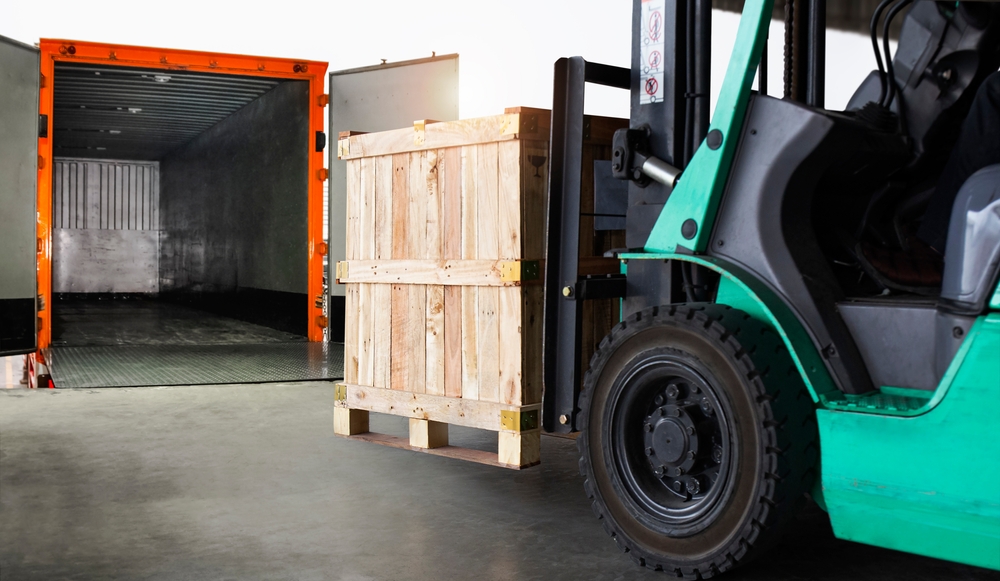
If you’re a small business owner or need to move large shipments across the country, you’ve probably come across two freight shipping terms: FTL (Full Truckload) and LTL (Less-Than-Truckload). But what do they mean exactly, and how do you know which one is right for you?
Choosing the right shipping method isn’t just about budget. It’s about protecting your products, staying on schedule, and making sure your logistics run smoothly. Let’s break it down.
Table of Contents:
- What Is LTL Freight Shipping?
- What Is FTL Freight Shipping?
- Comparison Chart: LTL vs FTL
- How to Choose Between LTL and FTL
- LTL Freight: Benefits and Considerations
- FTL Freight: Benefits and Considerations
- Pro Tips for First-Time Freight Shippers
- FAQs: FTL Freight vs. LTL Freight Shipping
- Contact Box City for Business & Consumer Freight Shipping
What Is LTL Freight Shipping?
LTL stands for Less-Than-Truckload. As the name suggests, your shipment shares space in a trailer with goods from other businesses. You’re only paying for the portion of the truck your items use.
LTL Is Best For:
- 1–6 pallets
- Shipments between 150–10,000 lbs
- Flexible delivery windows
- Lower-cost shipping for smaller quantities
Real-Life Example:
A small skincare brand needs to ship 5 pallets of product to a distribution center. It doesn’t fill a truck, so LTL saves money by combining shipments with others.
What Is FTL Freight Shipping?
FTL, or Full Truckload, means your goods take up the entire truck. Or at least you’re paying for exclusive use of the trailer. The shipment goes directly from origin to destination without stopping to load or unload other items.
FTL Is Best For:
- 10+ pallets or 10,000+ lbs
- Fragile, high-value, or time-sensitive shipments
- Faster delivery
- Minimal handling
Real-Life Example:
A furniture retailer is shipping an entire truckload of sofas to a warehouse. The load is large and fragile, and they want fewer transfers and faster delivery.
Comparison Chart: LTL vs FTL
Here’s a side-by-side look at how LTL and FTL stack up:
| Feature | LTL (Less-Than-Truckload) | FTL (Full Truckload) |
| Shipment Size | 150 – 10,000 lbs, 1–6 pallets | 10,000+ lbs or full trailer |
| Cost | Lower for small loads (shared truck) | More cost-effective for large shipments |
| Transit Time | Slower, multiple stops and transfers | Faster, direct route |
| Handling | Higher (loaded/unloaded multiple times) | Minimal handling |
| Risk of Damage | Higher due to transfers | Lower, loaded once |
| Best for | Small businesses, eCommerce, shared loads | Large businesses, fragile goods, faster delivery |
| Tracking | Basic or delayed | Often includes direct communication and GPS |
| Flexibility | High (more availability, multiple carriers) | Less flexible but more control |
How to Choose Between LTL and FTL
Choosing the right freight method depends on five main questions:
1. How much are you shipping?
If it’s a small number of pallets or under 10,000 lbs, LTL makes more sense.
2. Is your shipment fragile or high-value?
Use FTL to reduce risk from multiple handlings.
3. How fast does it need to arrive?
FTL is usually faster and more direct.
4. What’s your budget?
LTL offers cost savings for smaller shipments.
5. Are you shipping repeatedly?
Regular large loads? Consider locking in FTL rates with a freight partner.
LTL Freight: Benefits and Considerations
Pros:
- Affordable for small or medium loads
- Great for flexible timelines
- Easier access to frequent carrier routes
Things to Consider:
- Higher risk of damage due to frequent handling
- Transit times vary based on how many stops the truck makes
- You may need to palletize and protect fragile items better
FTL Freight: Benefits and Considerations
Pros:
- Direct route = faster shipping
- Less handling = lower damage risk
- Ideal for large, fragile, or high-value shipments
Things to Consider:
- Not cost-effective for small loads
- Less flexible: you’re paying for the whole truck even if it’s half full
Pro Tips for First-Time Freight Shippers
- Compare quotes for both LTL and FTL: You might be surprised by how close the pricing is if your load is on the edge.
- Use a freight broker: Box City can help you get better rates and match you with the right type of shipping.
- Label and palletize everything: Even FTL shipments need secure packaging. Don’t skimp.
- Ask about liftgate service and appointment scheduling: Especially for residential or limited-access pickups.
FAQs: FTL Freight vs. LTL Freight Shipping
What does LTL shipping mean?
LTL stands for “Less-Than-Truckload.” It means your shipment shares space in a truck with other shipments and you pay only for the space you use.
What does FTL shipping mean?
FTL means “Full Truckload.” Your shipment occupies an entire truck, either by volume or because you’re paying for exclusive use.
How do I know if I need LTL or FTL?
If your shipment is under 10,000 lbs or under 6 pallets, LTL is likely more cost-effective. Larger or time-sensitive shipments may require FTL.
Is FTL faster than LTL?
Yes. FTL shipments go directly from pickup to delivery with no additional stops, making them faster and more predictable.
Which is more budget-friendly for small shipments?
LTL is the more economical choice for smaller loads since you’re only paying for part of the truck.
Can I ship residential or eCommerce orders using LTL or FTL?
Yes. Both are available for residential and business locations, but LTL is more commonly used for residential (e.g., moving cross country or internationally), smaller B2B, and eCommerce orders.
Do I need a loading dock for LTL or FTL deliveries?
No, it’s not required. You can request liftgate service for locations without a dock, but this should be scheduled in advance.
Contact Box City for Business & Consumer Freight Shipping
Both LTL and FTL can serve your freight needs. The key is understanding your shipment’s size, timeline, fragility, and budget. Whether you’re a small business shipping monthly, a growing brand moving full trailers weekly, or an individual moving your belongings to another country, picking the right freight method makes your shipping more efficient and reliable.
Need help finding the right freight option? We work with businesses like yours every day to ship smarter. Whether it’s 3 pallets or 30, we can help you choose the best method, save money, and protect your goods.